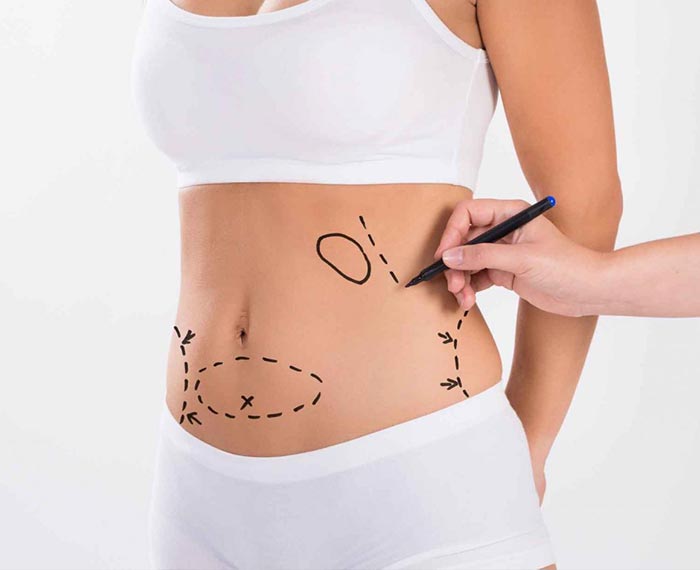
Abdominoplasty, commonly known as a tummy tuck, is a comprehensive cosmetic and reconstructive surgical procedure designed to flatten the abdomen by removing excess skin and fat, and tightening weakened or separated abdominal muscles (diastasis recti). It is frequently sought after significant weight loss, pregnancy, or aging.
Key Points
-
Dual Correction (Skin and Muscle): Unlike liposuction which only removes fat, a tummy tuck surgically eliminates redundant, hanging skin and repairs underlying abdominal wall muscles that have been stretched or separated.
-
Primary Indications: Commonly performed for individuals who have loose, sagging abdominal skin and weakened core muscles due to massive weight loss, multiple pregnancies, or natural aging processes that do not respond to diet and exercise.
-
The Surgical Incision: Typically involves a horizontal incision made low on the abdomen, positioned just above the pubic hairline (placed low enough to be easily hidden under underwear or swimwear), along with a second small incision around the navel.
-
Muscle Tightening (Diastasis Recti Repair): The surgeon draws the rectus abdominis muscles together and sutures them tightly into position, creating a firmer, flatter abdominal profile and improving core support.
-
Liposuction Integration: Liposuction is often combined with abdominoplasty during the same procedure to contour the flanks (love handles) and waistline for a more balanced, sculpted result.
-
Types of Procedures: Can be tailored based on patient anatomy, ranging from a full abdominoplasty (comprehensive correction of upper and lower abdomen) to a mini-abdominoplasty (focused primarily on the area below the belly button for minor skin laxity).
-
Anesthesia and Duration: Performed under general anesthesia, the surgery typically takes between 2 to 4 hours depending on the extent of correction required.
-
Recovery Timeline: Patients generally require a recovery period of 2 to 4 weeks before returning to light work and non-strenuous daily activities. Strenuous exercise and heavy lifting are usually restricted for 6 weeks.
-
Compression Garments: Post-operative compression garments must be worn consistently for several weeks to minimize swelling, support healing tissues, and help the skin conform to the new abdominal contour.
-
Permanent Results: The outcomes are long-lasting and permanent, provided the patient maintains a stable weight and a healthy, active lifestyle.