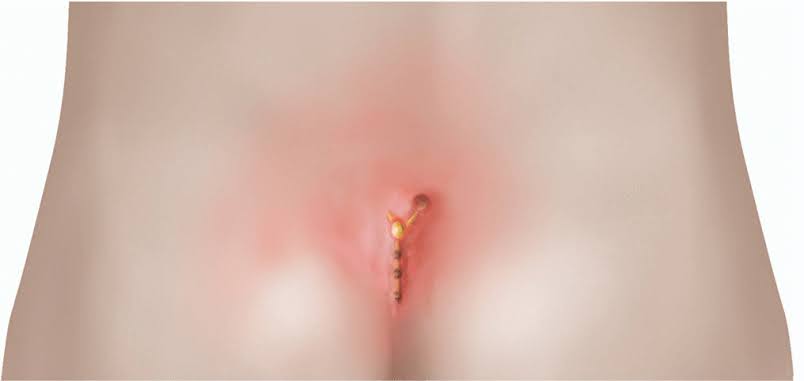
Pilonidal sinus surgery is a specialized surgical procedure performed to treat a pilonidal sinus—a chronic skin infection and cyst located in the cleft of the buttocks near the tailbone. It is typically caused by ingrown hairs, friction, and pressure, and often requires surgical intervention to prevent recurring infections, abscesses, and painful sinus tracts.
Key Points
-
Underlying Cause: A pilonidal sinus develops when loose hairs penetrate the skin, become trapped, and cause a chronic foreign-body immune response, leading to painful cyst formation, recurring abscesses, and draining tracts (sinuses).
-
Primary Indications: Performed for patients suffering from acute pilonidal abscesses (requiring emergency drainage), chronic recurring infections, persistent pain, and multiple draining sinus pits in the gluteal cleft.
-
Surgical Approaches: Treatment varies based on the severity of the condition, ranging from simple incision and drainage for acute infections to formal excision of the entire sinus tract and surrounding infected tissue.
-
Open Healing vs. Primary Closure:
-
Open Excision: The wound is left open to heal gradually from the inside out via granulation tissue, which carries a very low recurrence rate but requires a longer, meticulous wound care and healing period.
-
Primary Closure (Flap Procedures): The wound is closed surgically using advanced techniques like the Karydakis flap or Bascom cleft lift, shifting the scar away from the deep midline groove to reduce tension, hair entrapment, and recurrence.
-
-
Minimally Invasive Techniques (Laser/EPSIT): Modern approaches include endoscopic pilonidal sinus treatment (EPSIT) or laser ablation (SiLaC), which use fiber-optic scopes or laser energy to destroy the tract from within through tiny punctures, resulting in minimal scarring and rapid recovery.
-
Anesthesia and Duration: The surgery is typically performed under general, spinal, or local anesthesia with sedation, lasting anywhere from 30 to 60 minutes depending on the chosen technique.
-
Post-Operative Wound Care: Proper post-surgical hygiene, regular dressing changes (for open wounds), and keeping the area clean and dry are critical for preventing secondary infections and promoting smooth healing.
-
Hair Management: Post-operative care strongly emphasizes long-term hair removal strategies in the lower back and gluteal cleft (such as laser hair removal or regular shaving) to prevent loose hairs from re-entering the skin and causing a recurrence.
-
Recovery Timeline: Recovery varies widely based on the surgical method—ranging from just a few days for minimally invasive laser procedures to 4 to 8 weeks for extensive open excisions or complex flap reconstructions.
-
High Success and Relief: Definitive surgical excision and proper lifestyle management successfully eliminate chronic pain, foul-smelling drainage, and recurrent flare-ups, restoring comfort to the patient’s daily life.