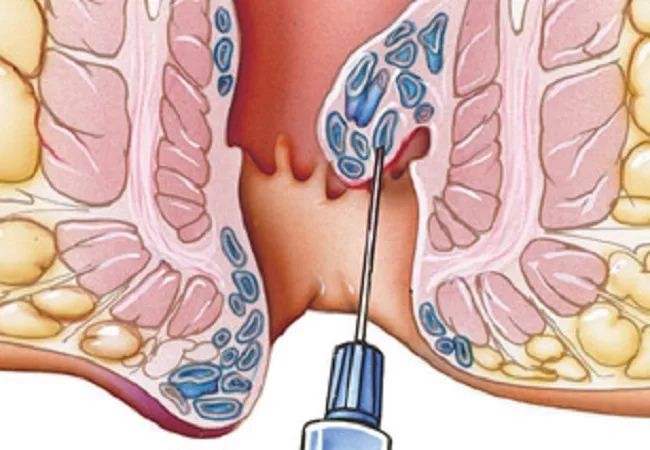
Surgery for piles (hemorrhoids) is performed to treat symptomatic, swollen, and inflamed blood vessels in the lower rectum and anus that do not respond to conservative treatments like dietary changes, medications, or office-based procedures. It provides long-term relief from severe pain, bleeding, and prolapse.
Key Points
-
Primary Indications: Recommended for advanced internal hemorrhoids (Grade III or IV prolapse), external hemorrhoids with persistent thrombosis (blood clots), or cases causing chronic bleeding, severe pain, hygiene difficulties, and anemia.
-
Open vs. Closed Hemorrhoidectomy:
-
Conventional (Milligan-Morgan Open) Hemorrhoidectomy: The hemorrhoid tissue is excised, and the wound is left open to heal naturally, reducing the risk of wound dehiscence.
-
Closed (Ferguson) Hemorrhoidectomy: The wound is closed with sutures after the hemorrhoid is removed, which typically accelerates the initial healing process.
-
-
Stapled Hemorrhoidopexy (PPH): A specialized circular stapling device is used to reposition the prolapsed hemorrhoidal tissue back into its normal anatomical place and cut off its blood supply, resulting in less postoperative pain and a faster recovery compared to traditional cutting surgery.
-
Laser Hemorrhoidoplasty (LHP): A modern, minimally invasive technique that uses laser energy to shrink the hemorrhoidal cushions from within via a tiny fiber-optic probe, sparing normal mucosa and minimizing postoperative discomfort.
-
Transanal Hemorrhoidal Dearterialization (THD): A Doppler-guided procedure where the surgeon locates the specific arteries feeding the hemorrhoids using an ultrasound probe and ties them off (ligates them), causing the hemorrhoids to shrink over time without cutting tissue.
-
Anesthesia and Duration: The procedures are generally performed under general, regional (spinal), or local anesthesia with sedation, typically taking about 30 to 45 minutes.
-
Postoperative Recovery: Patients undergoing excisional surgery may experience temporary discomfort during bowel movements for the first 1 to 2 weeks, whereas minimally invasive laser or stapled approaches often feature significantly less recovery downtime.
-
Symptom Relief: Surgical intervention effectively resolves painful symptoms like acute thrombotic pain, bright red rectal bleeding, and tissue protruding from the anal opening.
-
Dietary and Lifestyle Support: Long-term success relies heavily on post-surgery lifestyle changes, including a high-fiber diet, adequate fluid intake, and avoiding prolonged straining during bowel movements to prevent recurrence.
-
Low Complication Rates: While temporary urinary retention or minor irritation can occur, serious complications are rare when performed by an experienced surgeon using the appropriate technique for the patient’s grade of hemorrhoids.