Minor surgical procedures performed under local anesthesia encompass a variety of routine interventions for benign skin and subcutaneous conditions—such as lipomas, sebaceous cysts, corns, callosities, and ingrowing toenails. These office-based or outpatient procedures offer immediate relief, precise removal, and quick recovery without the risks associated with general anesthesia.
Key Points
-
Outpatient Convenience: Performed entirely in a clinical setting or minor operation theater, allowing patients to walk in and walk out the same day with minimal disruption to their daily schedule.
-
Local Anesthesia Comfort: The target area is numbed locally using an injectable anesthetic (such as lignocaine/lidocaine), ensuring the patient remains fully conscious and completely pain-free throughout the procedure.
-
Lipoma Removal: A lipoma is a benign, slow-growing fatty lump situated just beneath the skin. The surgeon makes a small incision, gently shells out or excises the encapsulated fatty tissue, and closes the skin with fine sutures.
-
Sebaceous / Epidermoid Cyst Excision: Cysts filled with keratin debris are removed by excising the entire cyst wall intact. Complete removal of the wall is crucial to prevent the cyst from recurring or becoming repeatedly infected.
-
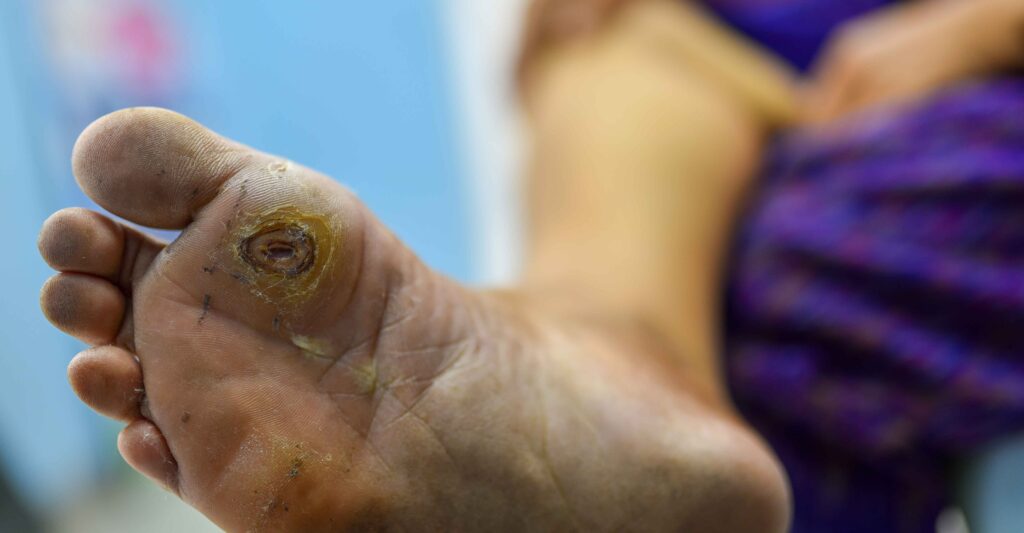
Management of Corns and Callosities: Persistent, painful thick layers of skin (corns or callosities) caused by friction or pressure are managed through conservative paring, specialized corrective foot care, or minor surgical excision of the core when conservative measures fail.
-
Ingrowing Toenail Surgery (Wedge Resection / Matricectomy): For painful ingrown toenails (onychocryptosis), a partial nail avulsion or full wedge resection is performed. To prevent recurrence, the problematic nail growth matrix can be permanently treated using chemical ablation (such as phenol cauterization) or surgical excision.
-
Minimal Recovery Time: Because general anesthesia is avoided, patients experience no grogginess and can typically resume normal light activities, work, or school immediately or within 24 to 48 hours.
-
Low Risk Profile: Localized procedures carry a significantly lower overall risk of systemic complications compared to major surgeries requiring general anesthesia.
-
Precision and Cosmesis: Surgeons utilize fine instruments and meticulous suturing techniques (often with absorbable or easily removable stitches) to ensure minimal scarring, particularly on visible areas of the body.
-
Post-Procedure Care: Recovery involves simple wound care instructions, keeping the site clean and dry, temporary restriction of heavy physical strain on the treated area, and timely suture removal if non-absorbable stitches are used.