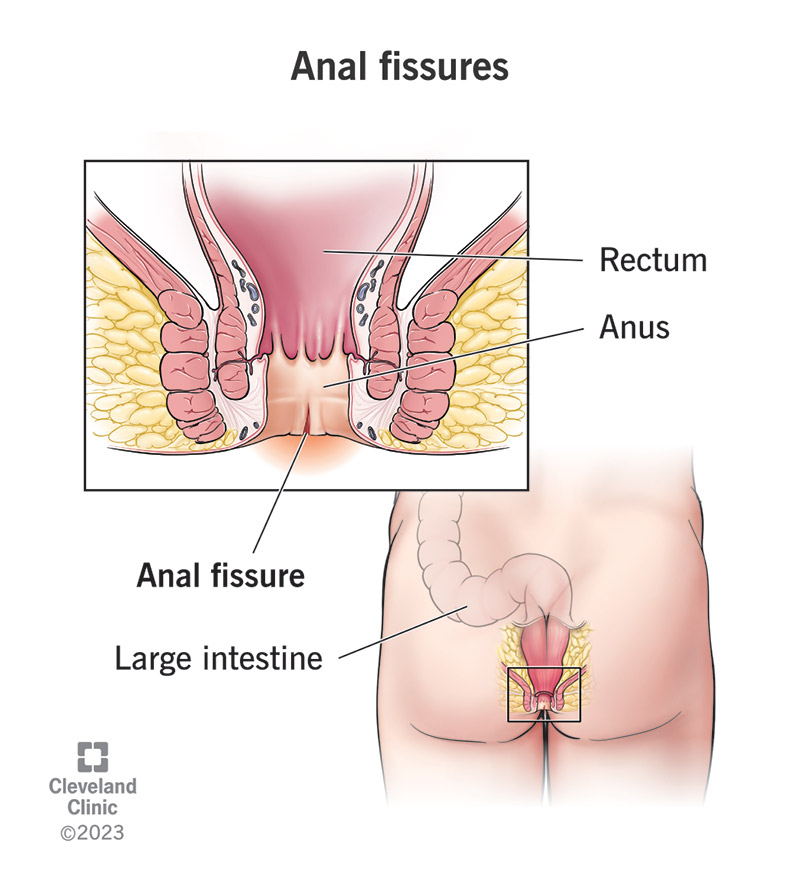
Management of anal fissures encompasses both conservative medical therapies and surgical interventions designed to heal the small tear or cut in the lining of the anal canal. Fissures often cause sharp, severe pain and bleeding during or after bowel movements, typically driven by high resting pressure in the internal anal sphincter muscle.
Key Points
-
Primary Cause: Anal fissures are primarily caused by trauma to the anal lining—most frequently due to passing hard, dry stools during constipation, prolonged diarrhea, or childbirth—which triggers a spasm in the internal anal sphincter muscle.
-
First-Line Conservative Treatment: Most acute fissures heal without surgery through lifestyle and dietary modifications, including high-fiber diets, increased fluid intake, stool softeners, and warm sitz baths to relax the anal muscles.
-
Topical Pharmacological Therapy: Medical management often utilizes prescription topical ointments (such as 0.2% nitroglycerin or 2% diltiazem cream) applied locally to relax the anal sphincter muscle and increase blood flow to promote healing.
-
Botox Injections (Chemodenervation): For fissures that do not respond to creams, a precise injection of botulinum toxin (Botox) into the internal anal sphincter temporarily paralyzes the muscle (for 2 to 3 months), breaking the spasm cycle and allowing the fissure to heal naturally without surgery.
-
Surgical Indication: Surgery is reserved for chronic, persistent fissures that fail medical management over several weeks, or those accompanied by secondary changes like a sentinel pile or hypertrophied papilla.
-
Lateral Internal Sphincterotomy (LIS): Considered the “gold standard” surgical treatment, LIS involves making a tiny cut in a portion of the internal anal sphincter muscle to permanently relieve high resting pressure, allowing the fissure to heal rapidly (usually within a few weeks).
-
Anesthesia and Duration: Surgical procedures like sphincterotomy or Botox injections are performed as minor daycare surgeries under general or regional anesthesia, typically taking only 15 to 30 minutes.
-
High Success Rate: Lateral internal sphincterotomy boasts a success rate of over 95%, making it one of the most effective and definitive long-term treatments for chronic anal fissures.
-
Low Risk of Incontinence: When performed carefully by an experienced surgeon by dividing only the necessary inner muscle fibers, the risk of permanent fecal incontinence is extremely low.
-
Post-Treatment Care: Long-term prevention relies heavily on maintaining soft bowel habits through continuous proper hydration and high-fiber nutrition to prevent the recurrence of tearing.